
Buying or selling a home
A chimney with no known service history is one of the more common reasons an inspection gets booked.
Chimney inspection · Manalapan Township, NJ
An inspection answers a different question than a cleaning does: not "is it dirty?" but "what condition is it in?" We review the accessible parts of your chimney and fireplace and explain what we find.
Overview
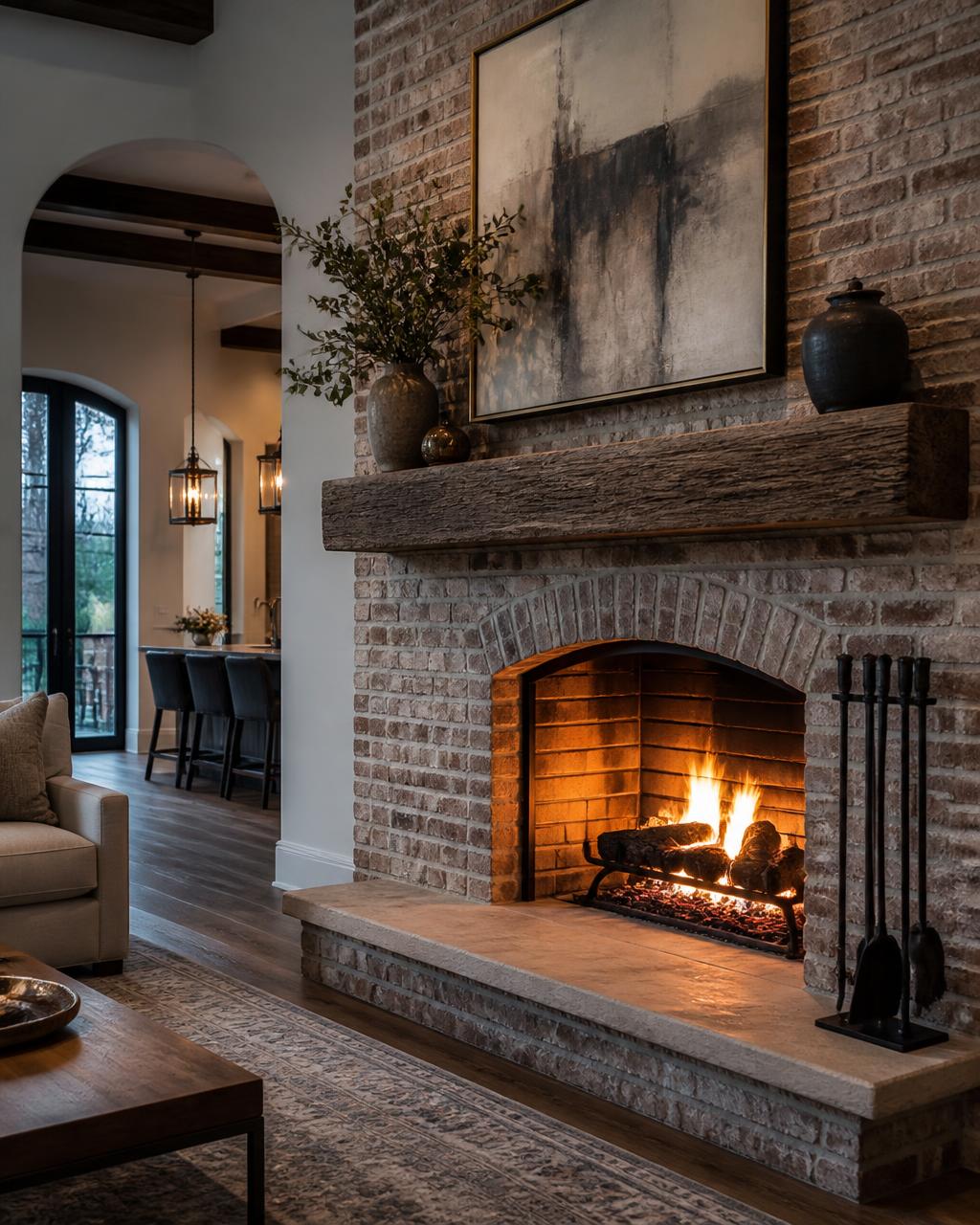
A chimney spends most of its life out of sight. The parts that wear — mortar joints, the crown, the flashing, the flue lining — are rarely the parts a homeowner sees day to day, and deterioration tends to be gradual rather than dramatic. An inspection is simply a deliberate look at those components before small wear becomes a bigger job.
We keep the scope honest: what can be safely accessed and seen is what gets reviewed, and the findings are described plainly rather than dressed up as an emergency. If the chimney is in good order, you will hear that too.
Many homeowners pair an inspection with chimney sweeping and cleaning, since a clean flue is easier to assess.
Scope of work
The firebox interior and the damper are looked over for cracks, corrosion, and parts that no longer move freely.
Reachable sections of the flue are reviewed for buildup, obstruction, and visible deterioration.
Brickwork, mortar joints, and the crown are noted from vantage points that can be safely reached.
The cap and the flashing where the chimney meets the roof are checked for damage or gaps when visible.
Staining, dampness, and discoloration near the fireplace often point to water finding a way in.
You get a clear account of what was seen and what, if anything, is worth acting on.
Why homeowners call
A chimney with no known service history is one of the more common reasons an inspection gets booked.
Homeowners often want the system looked at before the fireplace goes back into regular use.
High wind, heavy rain, or a fallen limb can affect a cap, crown, or flashing.
New odors, drafting problems, or staining are worth investigating rather than living with.
Worth a look
How it works
Step 1
How the fireplace is used, when it was last serviced, and what has changed recently.
Step 2
The firebox, damper, and accessible flue areas are examined.
Step 3
Visible masonry, crown, cap, and flashing are checked from accessible vantage points.
Step 4
You get a plain summary of the condition and any recommended next step.
Local relevance
New Jersey winters put chimneys through repeated freezing and thawing. Water that soaks into mortar or a crown during a wet spell expands when it freezes, and that cycle, repeated across seasons, is what opens small cracks in otherwise sound masonry. Coastal storms add wind-driven rain to the mix.
That is the practical argument for looking at a chimney periodically rather than only when something goes obviously wrong. We inspect chimneys in Manalapan Township and surrounding Monmouth County communities, including Freehold, from our base at 220 Taylors Mills Rd.
Related services
Clearing soot, ash, and creosote when the inspection shows buildup has accumulated.
Addressing the specific deterioration an inspection brings to light.
Work on firebox, damper, and fireplace components found to be worn.
Common questions
A sweep is cleaning work. An inspection is a deliberate review of condition — what shape the chimney is in and whether anything needs repair. A sweeping visit includes a visual look at accessible parts, but an inspection goes further.
The Chimney Safety Institute of America recommends an annual inspection. How often cleaning is needed on top of that depends on use and on what the inspection finds.
Let the fireplace cool completely and clear furniture and belongings away from the hearth so the area can be reached.
Yes. Anything visible that may call for repair is pointed out and explained, along with what would be involved in addressing it.
It can, and it is often worth it. An idle chimney still collects debris, can host animals, and takes on weather wear over the years.
The findings are explained first. If repair work makes sense, it can be discussed as a separate step — nothing is carried out without talking it through.
Describe your fireplace and anything you have noticed, and we will follow up to confirm availability for your address.
220 Taylors Mills Rd, Manalapan Township, NJ 07726 · Monday–Saturday: 9:00 AM–5:00 PM