Chimney cleaning
Clearing buildup and debris from the chimney and flue to support reliable airflow.
Learn more →Chimney sweeping · Topeka, Kansas
Sweeping clears soot, ash, creosote buildup, and debris or obstructions from accessible chimney areas. For homes with a wood-burning fireplace, it is a normal part of keeping the chimney and fireplace maintained over time.
Overview
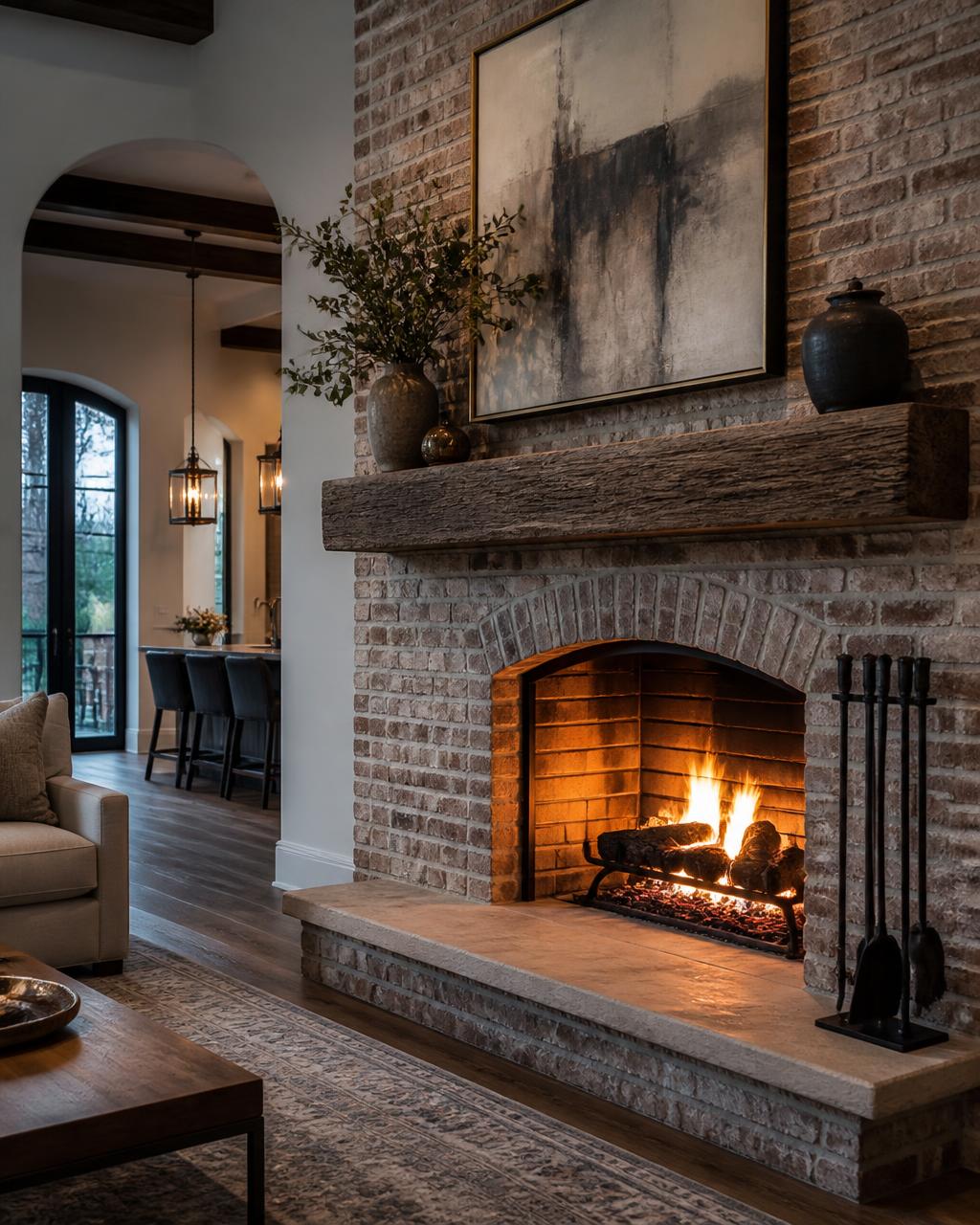
Chimney sweeping is the process of cleaning the inside of a chimney and the connected fireplace areas that can be safely reached. Every wood fire leaves something behind: fine soot, ash in the firebox, and creosote deposits that gradually coat the flue. Over a season of regular burning, that material accumulates.
Homeowners with a wood-burning fireplace typically have the system swept periodically so buildup does not accumulate unchecked and so the chimney is not quietly holding debris, leaves, or an old nest. A sweeping visit is also a practical opportunity to look at the components that are visible and notice wear that might be worth a closer look.
How often a chimney needs this depends on how much the fireplace is used, what is burned in it, and the condition of the system — which is why we would rather look at your chimney than guess at a schedule. You can see the full range of chimney and fireplace work on the Mr. Chimney Sweep Inc. home page.
Scope of work
The exact work depends on your system and what can be safely accessed, but a typical visit covers the following.
A look over the chimney and fireplace parts that can be safely reached and seen during the visit.
Sweeping the accessible flue to clear the buildup that collects from burning wood.
Clearing ash and debris from the firebox on systems where this is part of the service.
Reviewing the reachable sections of the flue for buildup, damage, or obstruction.
Checking for nests, leaves, and other material that can interfere with venting.
Noting the condition of the cap and crown when they can be seen from an accessible vantage point.
Pointing out anything visible that may call for further inspection or repair work.
Tidying the immediate work area around the hearth before the visit ends.
Worth a look
None of these mean something is wrong on their own — they are simply the everyday cues that tend to prompt homeowners to book a chimney cleaning.
How it works
Five straightforward steps, so you know what the visit looks like before it starts.
Step 1
We start by talking through how the fireplace is used and looking at the system to understand its condition.
Step 2
Coverings and containment are set up around the hearth to keep the surrounding space clean.
Step 3
Accessible chimney areas and the firebox are swept to remove soot, creosote, ash, and loose debris.
Step 4
The reachable components are reviewed for buildup, blockages, and visible wear.
Step 5
You get a plain-language summary of what was found and what, if anything, is worth addressing next.
Local guidance
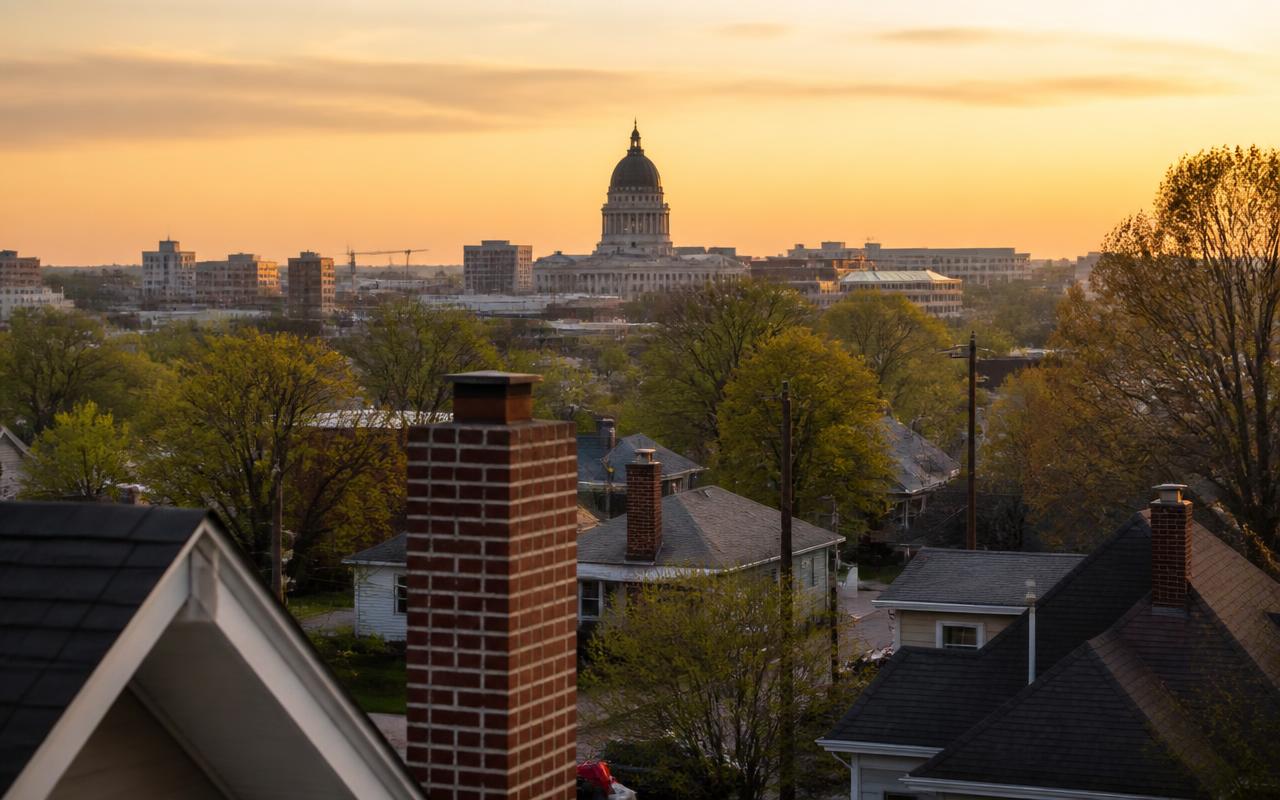
Fireplaces in Topeka and northeast Kansas tend to sit idle through the warm months and then go back into heavier use once the weather turns. Handling sweeping and a look at the system before that stretch of regular burning is easier than working around a fireplace you are already relying on.
When the seasons change again, it is worth turning your attention to the outside of the chimney. Masonry, the crown, the cap, and the flashing where the chimney meets the roof all take the brunt of shifting weather, and repeated freezing and thawing can open small gaps in mortar over time. Noticing a loose cap or a hairline crack early usually means a smaller job than discovering water damage later.
In between, the simple habits matter: burn seasoned wood, keep an eye out for smoke drifting into the room or lingering odors, and mention anything unusual when you schedule.
Know the difference
A chimney sweep is about cleaning: removing the soot, ash, creosote, and debris that build up inside the system. An inspection is about condition: a closer, more deliberate review of the chimney's structure and components to understand what shape it is in and whether anything needs repair.
The two overlap. A sweeping visit includes a visual look at the accessible parts, and that is often enough for a fireplace in regular, uneventful use. But if the chimney has gone a long while without attention, if you have just bought the home, or if you have noticed water staining, drafting problems, or crumbling mortar, a dedicated chimney inspection gives a fuller picture. Plenty of homeowners end up wanting both — the cleaning to take care of buildup, the inspection to confirm the system's condition.
Not sure which fits your situation? Describe what you are seeing when you get in touch and we can help you decide.
More services
Chimney sweeping is one part of the work we do for Topeka-area homes.
Clearing buildup and debris from the chimney and flue to support reliable airflow.
Learn more →A closer review of chimney and fireplace condition, with findings explained clearly.
Learn more →Repair work focused on the damage found at your home, from flue issues to weather wear.
Learn more →Care for the firebox, damper, and other components on wood-burning systems.
Learn more →A properly fitted cap helps manage rain, debris, and animal entry at the top of the flue.
Learn more →Attention to visible mortar, brick, and crown deterioration on the chimney structure.
Learn more →Common questions
There is no single answer that fits every home. Frequency depends on how often the fireplace is used, the fuel burned, how the system drafts, and the condition found at the last visit. A regular inspection is the practical way to decide when cleaning is due.
Sweeping clears soot, ash, creosote deposits, and loose debris from accessible chimney areas and the firebox. Nests or material that has fallen into the flue may also be removed when they can be reached.
It varies with the size and layout of the system, how much buildup is present, and how easy the chimney is to access. We can give a better estimate once you describe your setup.
A visual review of accessible components is part of the sweeping visit. A dedicated inspection goes further and is the better choice when you need a detailed picture of the chimney's condition.
Creosote forms as a byproduct of burning wood. Unseasoned or damp wood, slow-smoldering fires, and restricted airflow all tend to increase how quickly it accumulates.
Let the fireplace cool completely, clear furniture and belongings from around the hearth, and keep pets out of the room. If you have noticed odors, drafting issues, or debris, mention it when you book.
An unused chimney can still collect debris, host animals, or develop masonry wear from weather. A periodic look is worthwhile even when the fireplace is not in regular use.
Tell us about your fireplace and what you have noticed, and we will follow up to confirm service availability for your address.
Phone number coming soon — please use the request form in the meantime.